How to speak effectively: My Muting “um” Discoveries
I recently read the book *Don’t Say Um by Timothy Ferriss, which provided valuable insights on how to communicate more effectively and connect with your audience. In this post, I will share my thoughts and key takeaways from the book.
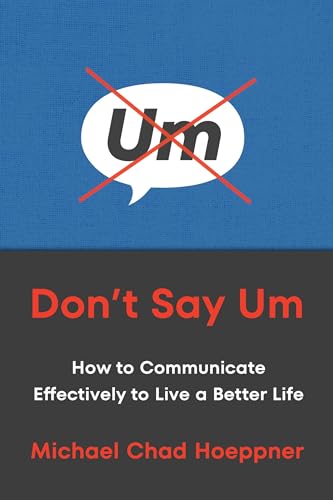
Key Strategies
- 🤝 Connect with the Audience: One of the most important aspects of effective communication is engaging with your audience. Use your entire presence – your gestures, voice, and eye contact – to create a connection and focus on their needs. By doing so, you’ll be able to convey your message in a way that resonates with them.
- 💬 ConciseCommunication: Be brief and to the point when delivering your message. Focus on the key points and avoid unnecessary details or filler words like “um” or “ah.” This will help you maintain the audience’s attention and make your communication more memorable.
- 👥 Engage with the Audience: Instead of just delivering words, focus on connecting with the audience as people. Show genuine interest in their thoughts, feelings, and experiences. This will create a deeper bond and allow you to communicate more effectively.
Techniques to Improve Communication
- 🛠️ Finger Walking: One of the techniques I found particularly helpful is called “finger walking.” While discussing a topic, use physical movement with your index and middle fingers to mirror your thought processes and promote clear speech. This technique helps you stay focused on your message and makes your communication more engaging.
- 🎤 Vocal Variety: Another essential aspect of effective communication is using vocal variety. Vary your tone, speed, and volume to convey emotions and emphasize important points. This will make your speech more dynamic and easier for the audience to follow.
Benefits of Effective Communication
- 💪 Build Confidence: Mastering these communication techniques will help you become more confident in your speaking abilities. You’ll feel more comfortable sharing your thoughts and ideas, which can lead to increased success in both personal and professional settings.
- 🌟 Connect with Others: Effective communication strengthens relationships and connections with others. By engaging with your audience and delivering clear messages, you’ll be able to build trust, foster collaboration, and create meaningful connections.
Additional Tips
- 🚫 Avoid Filler Words: One of the most significant takeaways from the book is to avoid using filler words like “ah,” “um,” and “like.” These words can distract your audience and make your communication seem less polished. Instead, focus on precise language that conveys your message effectively.
- 👥 Engage with the Audience: Remember that your goal is to connect with the audience, not just to deliver words. Focus on their needs and interests, rather than being consumed by your own nervousness or self-centered thoughts. By doing so, you’ll be able to create a more meaningful connection.
Practice and Reinforcement
- 📝 Regular Practice: To become an effective communicator, it’s essential to practice regularly. Incorporate techniques like finger walking into your daily communication practice, and try to apply these strategies in various settings. The more you practice, the more comfortable and confident you’ll become.
- 👍 Seek Feedback: Don’t be afraid to ask forfeedback from others. This will help you identify areas where you can improve and refine your communication style over time. Embrace constructive criticism and use it as a tool to grow and become an even better communicator.
In conclusion, Don’t Say Um is a valuable resource for anyone looking to improve their communication skills. By focusing on connecting with your audience, using effective techniques, and practicing regularly, you can become a more confident and impactful speaker.